Dust, Damp and Doors Shut: Keeping a Small UK Workshop Breathable
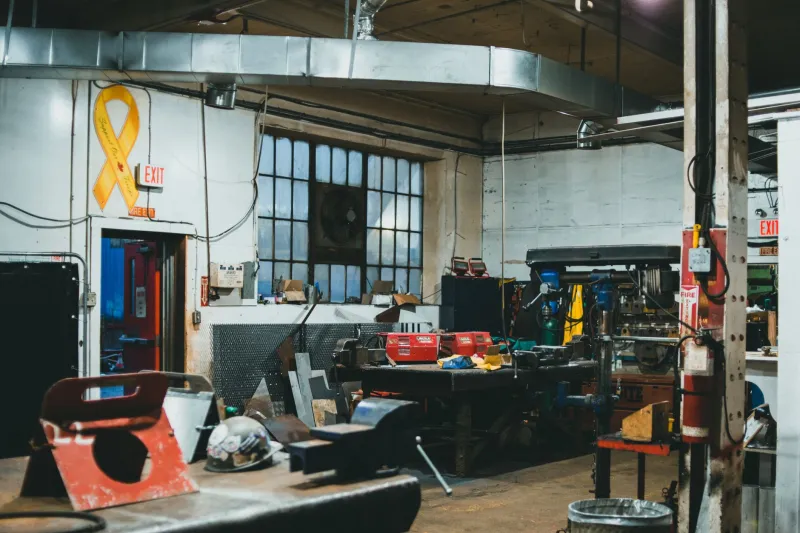
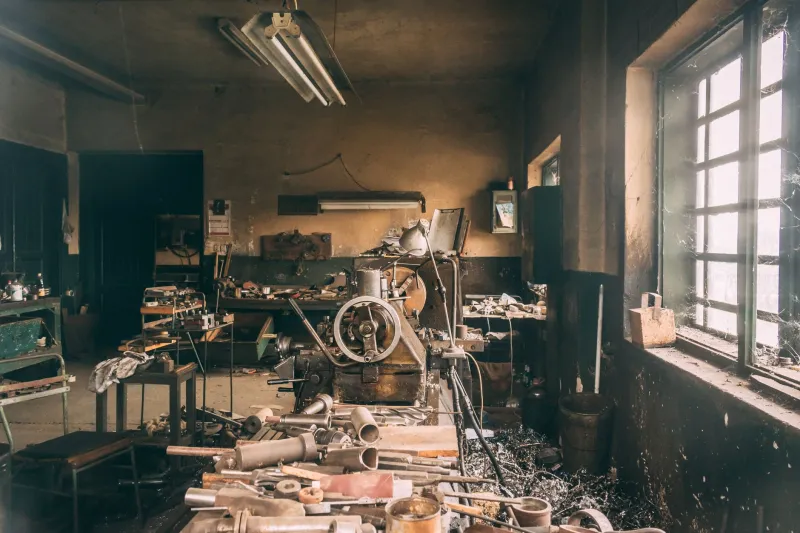
A British hobby workshop is often a single garage, a shed at the end of the garden or a corner of a utility room. It is damp in January, hot in July and packed with bikes, paint tins and half-finished projects. It is also where we make fine dust that hangs in the air long after the last cut.
Dust extraction is not just about keeping the bench tidy. Fine sawdust from MDF, hardwood and manufactured boards is a health issue, and in a small space with the door shut it builds up quickly. The good news is that you do not need a commercial workshop budget. You need a sensible order of priorities, a few good habits and a realistic idea of what each bit of kit can and cannot do.
Why the Small UK Shed Is a Dust Trap
A big workshop has volume on its side. A shed does not. When you run a router or a sander in a 3m x 4m space, the fine particles stay suspended and drift into every corner. Open the door and you lose heat; keep it shut and you breathe the same air. Damp air makes things worse because dust clings to surfaces and then gets disturbed again.
The first principle is simple: capture dust at the tool, not after it has escaped. The second is: do not rely on an open door and a stiff breeze. British weather rarely cooperates, and neighbours may not appreciate a cloud of oak dust drifting over the fence.
Start at the Tool, Not the Vacuum
Before buying anything, look at where dust is actually made. A random orbital sander with a extraction port is a good candidate for a shop vac. A mitre saw throws dust backwards and sideways, so a hood or a dedicated stand with a collection bag helps. A router needs a dust port and a vac running continuously. A table saw without a crown guard extraction is a dust pump.
If you can, buy or make an adaptor to connect your tools to a 30–40mm hose. A cheap universal rubber adaptor from a DIY shed is one of the most useful £5 purchases you can make. Seal gaps with tape if you must, but get the hose onto the tool.
Shop Vacs by Budget
For most small UK workshops, a wet-and-dry shop vac is the first serious purchase. Under £100 gets you a 20–30 litre machine from a reputable DIY brand. Look for a fine dust bag, a pleated filter and a hose that is long enough to reach the bench without dragging the unit over. A household vacuum is not a substitute; it will clog, overheat and spread fine dust.
At £100–£200 you start to see better filtration, auto-start sockets, blower functions and more robust hoses. These are nice, not essential. Above £250 you are into HEPA and class-rated machines aimed at trade use. For a hobbyist, a good mid-range vac with fine bags and a clean filter will handle most sanders and routers.
Remember that a shop vac is not a dust extractor for a planer thicknesser or a large table saw. Those machines need higher air volume and larger ducting. If you only have hand tools and a sander, a shop vac is a sensible starting point.
Air Filters: Useful, Not a Licence to Make Dust
An air filter helps clear the fine particles that escape. You can buy a ceiling-mounted unit for £150–£300, or make a box fan filter for £40–£60 using a cheap fan and a MERV-rated furnace filter. The DIY version is noisy and ugly, but it works if you keep it running for an hour after you finish.
Place the filter so it pulls air across the room rather than blowing dust off the bench. Change or clean the filter regularly; a clogged filter is just a noisy box. An air filter is a backstop, not a replacement for extraction at the tool. It will not stop dust settling on shelves, and it will not protect you if you spend an afternoon sanding MDF with no extraction.
Cyclones and Separators
A cyclone separator sits between the tool and the vac. It spins the air, drops most of the dust into a bucket and sends cleaner air to the vacuum. DIY versions using a plastic cone and a 20-litre bucket cost £30–£80 and can save a fortune in vacuum bags. They are especially useful if you generate a lot of chips from a planer or router.
They are not magic. Fine dust still gets through, and the bucket needs emptying before it overflows. A cyclone also adds height and hose runs, which matters in a low shed. If space is tight, a simple drop-box or a bag-based separator may be more practical.
Noise, Neighbours and the Shed Door
Shop vacs are loud. A cheap machine can hit 80–90dB, which is not pleasant in a small concrete garage. Wear ear defenders, and think about timing. Nobody wants a scream of induction motor at 7am on a Sunday. If you have close neighbours, keep heavy extraction work to reasonable hours and warn them if you are doing a big project.
You can reduce noise by placing the vac on a rubber mat, enclosing it in a ventilated cupboard or running a longer hose so the unit sits outside the immediate work area. Do not block the motor cooling vents. And do not be tempted to leave a running vac unattended in a shed.
Winter Ventilation Without Losing All the Heat
In winter, the instinct is to seal the shed and turn on the heater. That is exactly when dust levels rise. Crack a window or door for a few minutes between operations, use a small extractor fan if you have one, and wear a properly fitted mask for sanding and routing. A P2 or P3 mask is cheap compared with the cost of ignoring fine dust.
If you use a heater, keep it away from dust and solvents. Ventilate after finishing, then close up and let the space warm again. A small dehumidifier can help with damp, but it will not remove dust. Keep tools wiped with a light oil and store them in a cabinet or covered box.
Habits That Cost Nothing
Clean as you go. Brush dust into a bin rather than blowing it with compressed air. Separate finishing from machining if you can. Empty bags before they are full. Keep the floor clear so you can sweep properly. And accept that a small workshop will never be dust-free; the aim is to keep the air breathable and the surfaces manageable.
Dust extraction is one of those areas where a modest, consistent approach beats an expensive gadget used occasionally. Start with a shop vac on the sander, add a filter or cyclone when you can, and build the habit of ventilating between jobs. Your lungs, your tools and your long-suffering shed will thank you.