Beyond Oak: Three British Hardwoods Worth Rethinking in 2026
Oak gets the headlines. It is the timber in the church roof, the pub table and the kitchen worktop, and it has a reputation that stretches back centuries. That reputation is deserved, but it has also made oak the safe answer to almost every timber question. Ask for a British hardwood and most people will point you towards oak without pausing.
In 2026, that feels like a missed opportunity. Ash, sycamore and sweet chestnut are grown here, worked here and used here, yet they are often treated as secondary species. They are not. Each has a distinct character, a useful set of working properties and a place in the workshop. They also tell a more interesting story about British forestry than another board of imported oak.
Ash: springy, pale and full of character
Ash is a joy to work with hand tools. It is strong, shock-resistant and relatively straight-grained, which is why it has long been used for tool handles, chair legs, ladders and sports equipment. On the bench, it planes cleanly, takes a crisp edge and responds well to steam bending. The colour is pale and creamy, with a prominent grain pattern that can look lively on a tabletop and slightly wild on a small box.
For furniture, ash works well for stools, benches, chair frames and kitchen items that need to shrug off a bit of abuse. It is also a good choice for tool handles and jigs where you want springiness rather than dead stiffness. Finish it with a clear oil if you want to keep the pale look, or use a darker stain if you want to tone down the grain.
The elephant in the workshop is ash dieback. The disease has changed the supply picture across the UK, and much of the ash coming to market is from infected or felled trees. That makes responsible sourcing important. Buy from reputable UK sawmills and woodland management projects, ask where the timber came from, and avoid anything that looks like it has been stripped out of a hedgerow without a plan. Using ash well is not just about the wood. It is about supporting the people who are managing the fallout from ash dieback and replanting with resilience in mind.
Sycamore: the quiet achiever
Sycamore is often overlooked because it is not as glamorous as oak or as fashionable as walnut. That is a shame, because it is one of the most useful hardwoods in the British workshop. The timber is pale, close-grained and relatively easy to work. It takes a fine finish, holds detail well and is stable enough for drawer sides, kitchenware and small furniture.
In Scotland and northern England, sycamore has a long history in furniture and agricultural crafts. It is also used for musical instruments and, increasingly, for food-safe kitchen pieces. A sycamore chopping board or serving board is a lovely thing: pale, hygienic-looking and easy to keep clean with a coat of food-safe oil. The wood can have a slight green or grey cast, especially in air-dried boards, and that is part of its charm rather than a fault.
Sycamore is not the hardest timber on the shelf, so it is not the first choice for a heavy workbench top or a front door. But for drawer bottoms, box sides, kitchen items and light furniture, it is excellent. It also turns well, which makes it a good species for anyone who enjoys a bit of lathe work.
Sweet chestnut: the outdoor workhorse
Sweet chestnut is the one that often gets mistaken for oak. It has a similar ring-porous grain and a warm, honeyed colour, but it is generally softer and more acidic. It is also remarkably durable outdoors, which is why it has been used for fencing, cladding, gates and garden furniture for generations.
For the woodworker, sweet chestnut is a practical timber. It machines reasonably well, takes screws and nails without too much drama, and finishes nicely with an oil or a stain. It can blunt tools a little faster than some species, so keep an eye on your edges, especially when you are working a batch of boards. The grain can be lively, and the colour deepens over time, which makes it a good choice for garden benches, cold frames, planters and outdoor storage.
Indoors, sweet chestnut works well for rustic furniture, shelves and built-in storage where you want a warmer tone than oak without the same price tag. It is not as refined as sycamore, but it has a sturdy, honest look that suits the British weather and the British shed.
Buying British in 2026
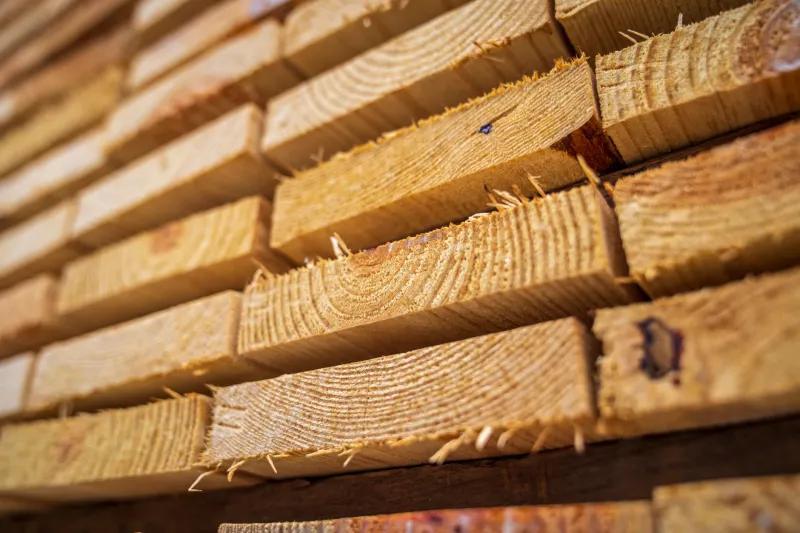
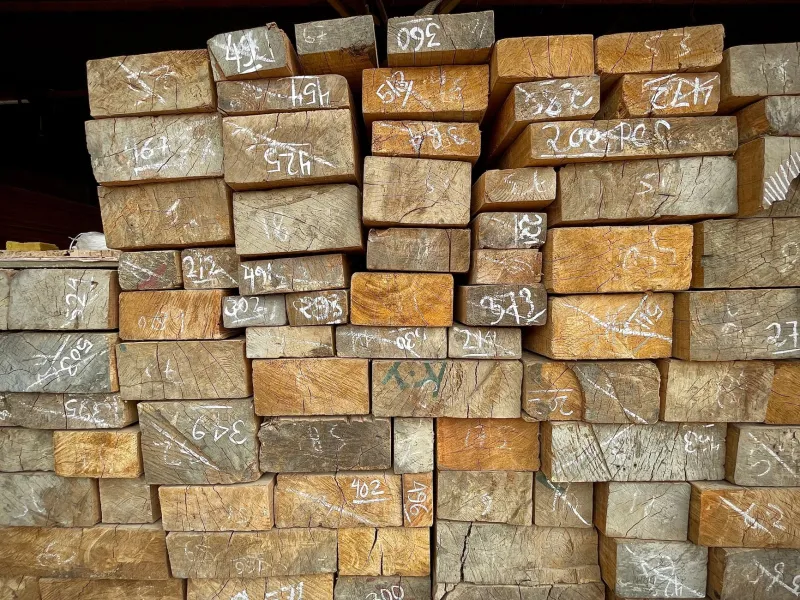
The good news is that UK-grown hardwood is easier to find than many woodworkers think. Local sawmills, woodland management groups and specialist timber merchants often carry ash, sycamore and sweet chestnut alongside oak. Ask for British-grown stock, check whether it is air-dried or kiln-dried, and buy in small quantities if you are trying a species for the first time.
Look for the Grown in Britain scheme when you can, and do not be afraid to ask awkward questions about provenance. A good sawmill will tell you where the tree came from and how it was dried. If you are buying online, ask for a photo of the actual board rather than a generic image. Timber is a natural material, and the board you get should be the board you choose.
It also pays to think about scale. Ash, sycamore and sweet chestnut are not always available in wide, clear boards. They often come in shorter lengths and narrower widths, which is fine for small furniture, kitchenware and built-in projects. Design around the stock you can get rather than chasing a fantasy board that may never turn up.
Projects that make the case
A sycamore chopping board is the simplest way to try a new species. A sweet chestnut garden bench or cold frame will show off its outdoor durability. Ash is perfect for a stool, a tool handle or a chair frame where you want strength and spring. None of these projects need to be grand. The point is to get the timber onto the bench and see how it behaves.
Oak will always have a place in the workshop, and rightly so. But 2026 is a good year to look past the usual suspect. Ash, sycamore and sweet chestnut are British, useful and full of character. They deserve more than a cameo role.