Seven Bench-Sized Builds for the Dark Evenings
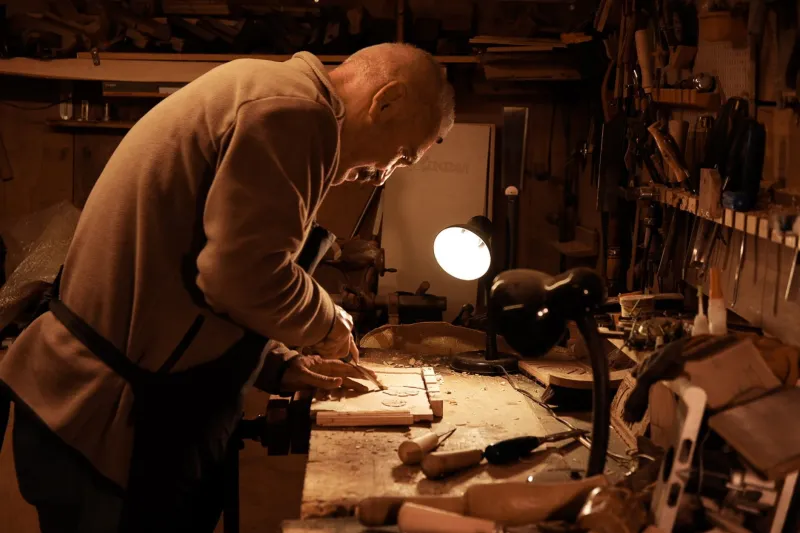
By the time Bonfire Night has come and gone, the workshop has usually turned into a different sort of place. The light is on by half four, the kettle earns its keep, and the idea of dragging an eight-foot board through the table saw feels less appealing than a mug of tea and a job you can finish before Strictly. That is not a reason to down tools. It is a reason to choose smaller ones.
Here are seven projects that suit the short days, the cold bench and the sort of mood that wants a visible result by nine o'clock. Most can be made from offcuts, reclaimed timber or a single trip to your local yard. None of them need a workshop the size of a barn.
1. A pallet boot rack that earns its place
A boot rack is one of those useful bits of kit that nobody notices until the hallway is a mudslide. Break down a heat-treated pallet, plane the slats, and build a simple slatted shelf with a raised lip at the back. Leave gaps underneath so wet boots can drain, and add a shallow tray or a strip of rubber matting to catch the drips.
Check for the ISPM 15 stamp before you start, and avoid any pallet that smells of chemicals or has obvious spill stains. Free pallets turn up behind builders' merchants, on Freecycle and in the usual online marketplaces. A coat of hard-wax oil will keep the timber looking tidy without making it slippery.
2. A hand-cut dovetail tea caddy
This is the project for anyone who wants to practise dovetails without committing to a chest of drawers. Use a couple of offcuts of sycamore, lime or pine, cut a small box with through dovetails, and fit a simple divider inside. A sliding lid with a finger notch finishes it off nicely.
The tea caddy is small enough to clamp on the bench and forgiving enough to learn from. If one corner goes slightly wide, nobody is going to inspect it under a magnifying glass. Fill it with loose leaf tea and pretend the gaps were a design choice.
3. A cookbook stand from oak offcuts
A cookbook stand is a good excuse to use up narrow strips of hardwood. Cut two angled sides, a back panel and a lip at the bottom, then join them with dowels, biscuits or small screws plugged with matching timber. A pair of brass hinges or a simple folding back leg will let it sit at a useful angle on the kitchen counter.
Use a food-safe finish if it is going to live near the hob. Wipe-on polyurethane or a simple oil and wax mix is fine, as long as you let it cure properly before the first spag bol lands on it.
4. A wall-mounted clamp rack
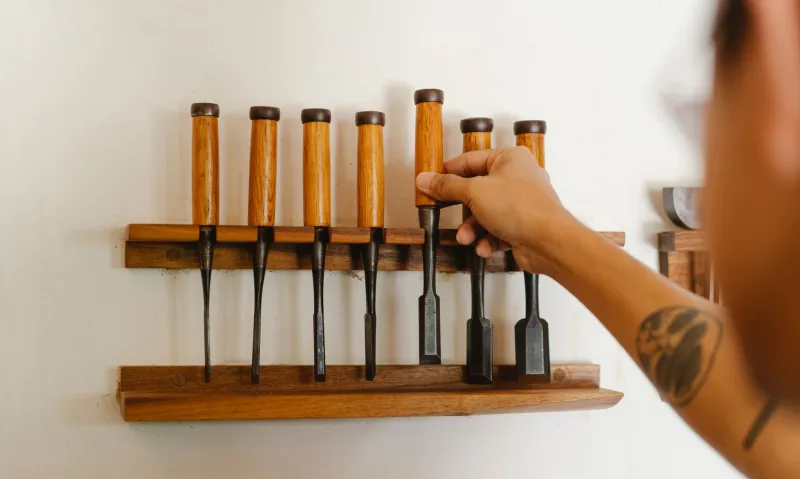
Clamps are like socks: they multiply and then hide. A wall rack made from a sheet of birch ply and a French cleat will get them off the bench and onto the wall in an afternoon. Cut slots wide enough for the bars, add a bottom rail to stop them sliding out, and mount the whole thing on a cleat so you can move it later without rebuilding it.
This is also a useful trial run for a bigger wall-storage system. Make one rack, live with it for a week, then decide whether you want a second one for sash cramps or a shelf above it for glue and finishes.
5. A small desk tidy with mitred corners
A desk tidy is a brilliant project for a cold evening because it can be made from a single length of timber and finished in one sitting. Cut four sides with mitred corners, add a base, and glue it up with masking tape as your clamp. A shallow divider turns it into a pen pot with a phone slot or a place for keys and a watch.
Use a timber with a bit of figure, such as sweet chestnut or ash, and keep the finish simple. A coat of Danish oil will bring out the grain without making it look like a school project.
6. A mug tree or cup rack
A mug tree is a classic small build that suits offcuts and a few minutes at the lathe. If you do not have a lathe, square stock works just as well: a central post, a heavy base and four short arms dowelled into the post. Space the arms so the mugs hang clear of each other and keep the base wide enough that it does not tip when someone grabs the heavy mug.
This is also a good use for a piece of timber with a knot or a bit of colour. Put the interesting bit on the post and let the arms stay plain.
7. A kindling crate for the log burner
If you have a stove, a kindling crate is both useful and quick. Build a simple open box with slatted sides and a rope handle, or make a shallow tray with a raised edge that slides under the stove. Use pine or pallet wood for the slats and something harder for the base if it is going to be dragged across the floor.
Keep the crate small enough to carry with one hand. A giant log basket is lovely in theory, but it becomes a piece of furniture you have to work around.
Keeping the shed on your side
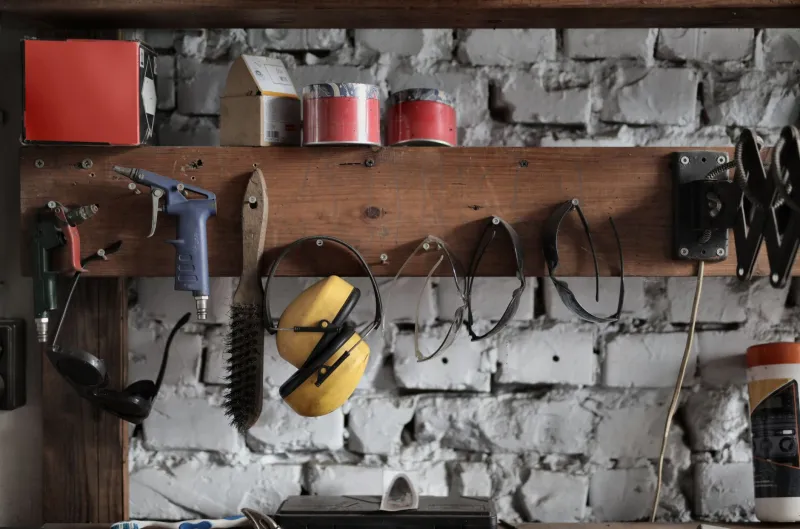
Cold weather makes glue take longer, finishes blush and fingers complain. You do not need a full workshop conversion to make the space usable. Draught-proof the obvious gaps around doors and windows, hang a cheap curtain over a single-glazed window, and keep the bench away from the worst of the cold wall. A small oil-filled radiator or a thermostatically controlled greenhouse heater is safer than a bare fan heater, especially in a dusty space.
Damp is the bigger enemy. A dehumidifier running for a couple of hours after a session will help keep rust off tools and stop timber from swelling. Keep hand tools in a drawer with a sachet of silica gel, and wipe cast iron surfaces with a rag and a drop of camellia oil.
Dust control matters more in a closed-up workshop. Open a window when you can, use a shop vac on the main machines, and wear a mask when you are sanding. A simple air cleaner or a box fan with a decent filter can make a difference, but it is not a substitute for extraction at the tool.
Finally, buy timber that suits the job. For small winter projects, ask your local sawmill for offcuts and shorts, check the offcut bin at the timber merchant, and use reclaimed timber where it makes sense. British hardwoods are not just for big furniture. A boot rack, a tea caddy and a mug tree are all good places to start.